Adaptive Frameworks for Tracking Cumulative Returns in Team and Individual Sports Wagering
Yves Hughes · Jul 29, 2026
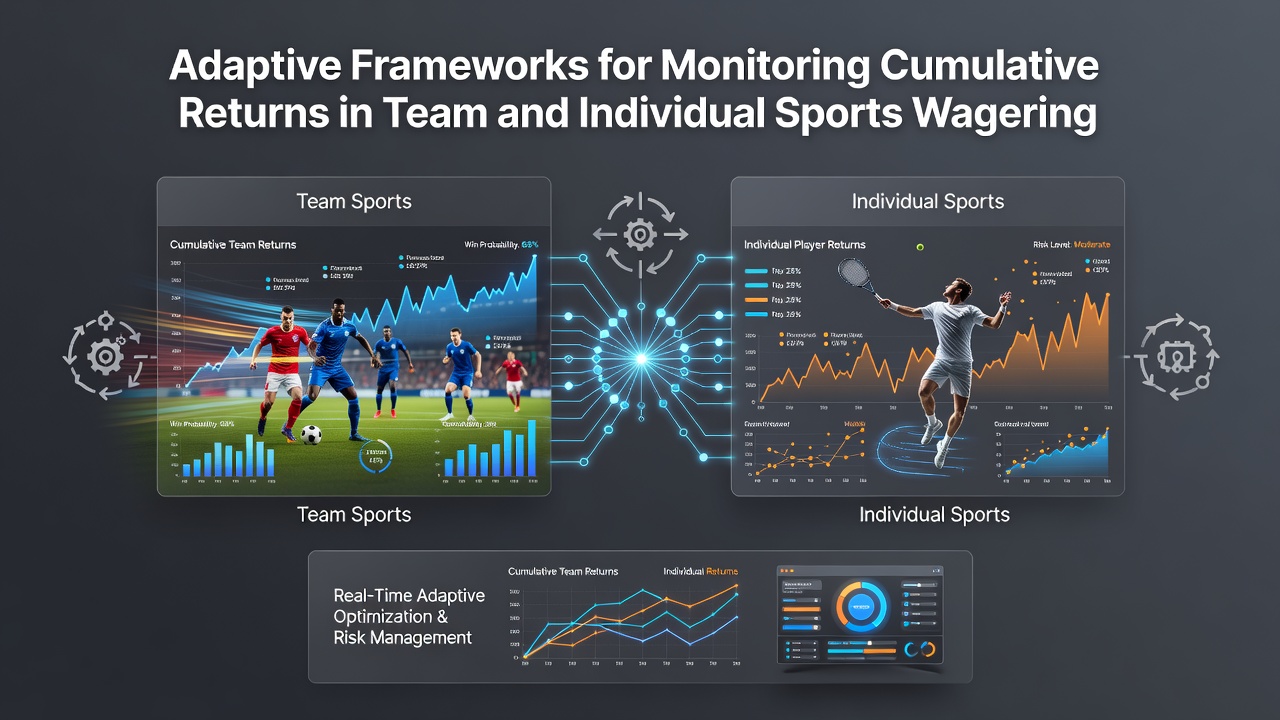
Adaptive Frameworks for Tracking Cumulative Returns in Team and Individual Sports Wagering
Monitoring cumulative returns in sports wagering requires systems that adjust to shifting patterns in both team competitions and individual events, and observers note that these frameworks combine data streams from various markets to maintain accurate performance records over extended periods. Researchers have developed approaches that integrate real-time updates with historical benchmarks, allowing operators and analysts to observe how returns evolve through sequences of wins, losses, and draws in football leagues alongside tennis tournaments or golf circuits.
Core Components of Adaptive Monitoring Systems
Adaptive frameworks rely on modular data collection layers that pull odds movements, stake allocations, and outcome results into centralized dashboards, while analysts apply weighted algorithms to separate short-term variance from longer-term trends. These systems often incorporate rolling average calculations that reset or recalibrate at predefined intervals, such as after major tournament stages or league matchdays, and the structure permits users to flag anomalies when cumulative curves deviate beyond expected thresholds based on historical distributions.
One study from a Canadian research institute highlighted how frameworks designed for mixed portfolios perform when they blend team sport volatility with the steadier but lower-frequency outcomes common in individual athletic contests. Data shows that team events like basketball or soccer produce higher volume fluctuations, whereas tennis or boxing matches contribute steadier but more isolated data points that demand different sensitivity settings within the same monitoring tool.
Application Across Team and Individual Disciplines
In team sports, frameworks track aggregate returns across multiple fixtures by segmenting data into home versus away results, weather-influenced games, and player availability factors, and these inputs feed into adaptive models that recalibrate expected value ranges after each round of matches. Individual sports require separate handling because outcomes hinge on single-athlete performance metrics such as serve percentages or endurance indicators, prompting developers to build parallel tracking modules that synchronize with the broader cumulative ledger at regular intervals.
Figures from an industry report issued by the European Gaming and Betting Association in July 2026 indicated that operators using unified adaptive platforms recorded more consistent visibility into portfolio health compared with those relying on static spreadsheets, particularly when monitoring simultaneous exposure in Premier League weekends and ATP tour events. The report noted that integration of live feeds reduced lag in updating cumulative totals, enabling quicker identification of underperforming segments within mixed betting books.
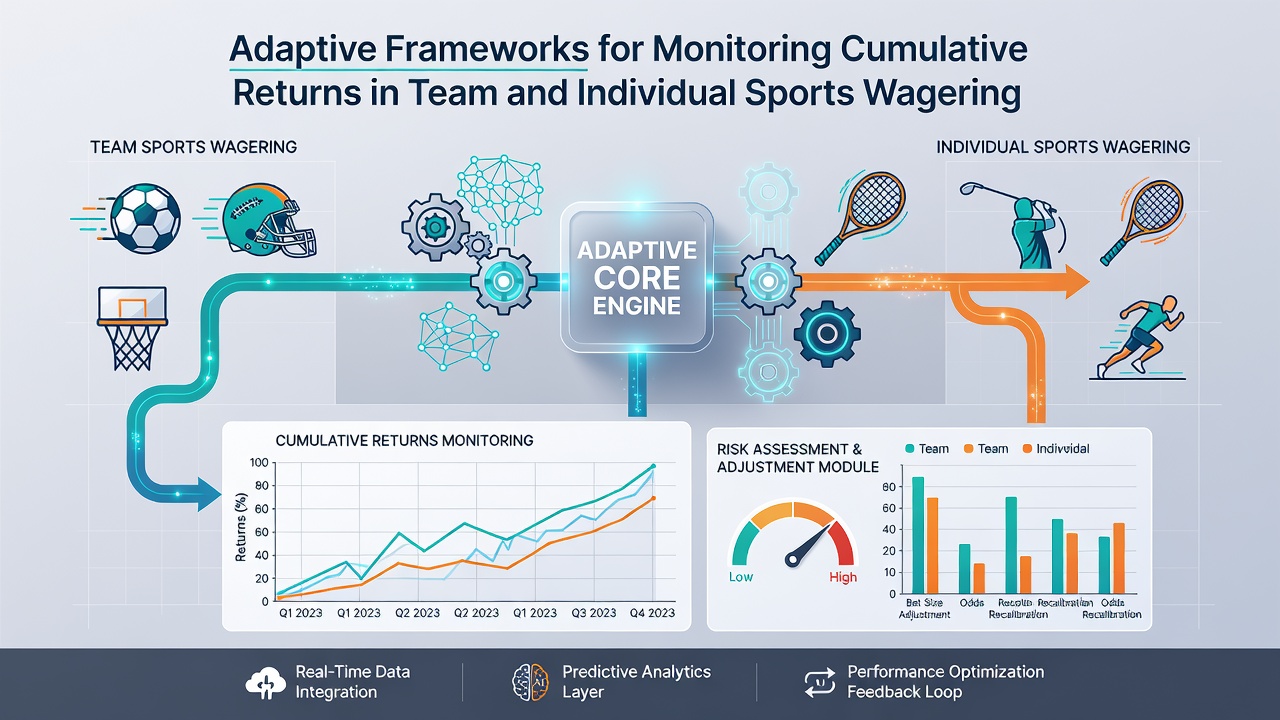
Technical Adjustments and Data Integration
Developers implement feedback loops that automatically adjust weighting parameters when cumulative returns cross certain milestones, and these loops draw from both internal performance logs and external market signals such as line movements reported by multiple exchanges. In practice, a framework might increase scrutiny on individual sport segments during high-profile events like Grand Slam tournaments while maintaining baseline monitoring for team leagues that run concurrently, creating a balanced view that avoids overreaction to isolated results.
Those who have implemented these systems often discover that combining API connections with manual override capabilities produces the most reliable outputs, because automated adjustments handle routine data inflows while human review addresses edge cases like postponed matches or rule changes that affect scoring calculations. Research indicates that frameworks incorporating machine learning elements can predict when a cumulative trajectory is likely to stabilize or accelerate based on patterns observed in previous seasons across comparable sports calendars.
Challenges in Maintaining Accuracy Over Time
Seasonal shifts present ongoing tests for any monitoring setup because team sports schedules compress during winter months while individual sports spread across different surfaces and climates, and frameworks must accommodate these calendar variations without losing continuity in the cumulative dataset. Analysts address this by building in seasonal normalization factors that scale returns according to the number of active markets and typical variance levels for each discipline during specific periods.
According to findings shared by the Nevada Gaming Control Board in mid-2026 analyses, operators who refreshed their adaptive parameters quarterly maintained closer alignment between projected and realized cumulative returns across diversified sports portfolios. The data revealed that infrequent recalibrations led to accumulating discrepancies that became harder to correct once they exceeded certain percentage thresholds, underscoring the value of scheduled review cycles within the framework architecture.
Conclusion
Adaptive frameworks for cumulative return monitoring continue to evolve as data sources multiply and sports calendars grow more interconnected, and the combination of automated recalibration with structured human oversight supports sustained accuracy across both team and individual wagering environments. Observers expect further refinements in integration methods as new regulatory reporting standards emerge in various jurisdictions, particularly those requiring detailed performance transparency for licensed operators.